Didn't see your problem on any other page? Good — that's usually where we start.
The pages before this are patterns we've seen more than once. But most real projects begin with something that fits none of them cleanly. If you've got a process that's costing you and no off-the-shelf tool that touches it, that's exactly the conversation we want to have.
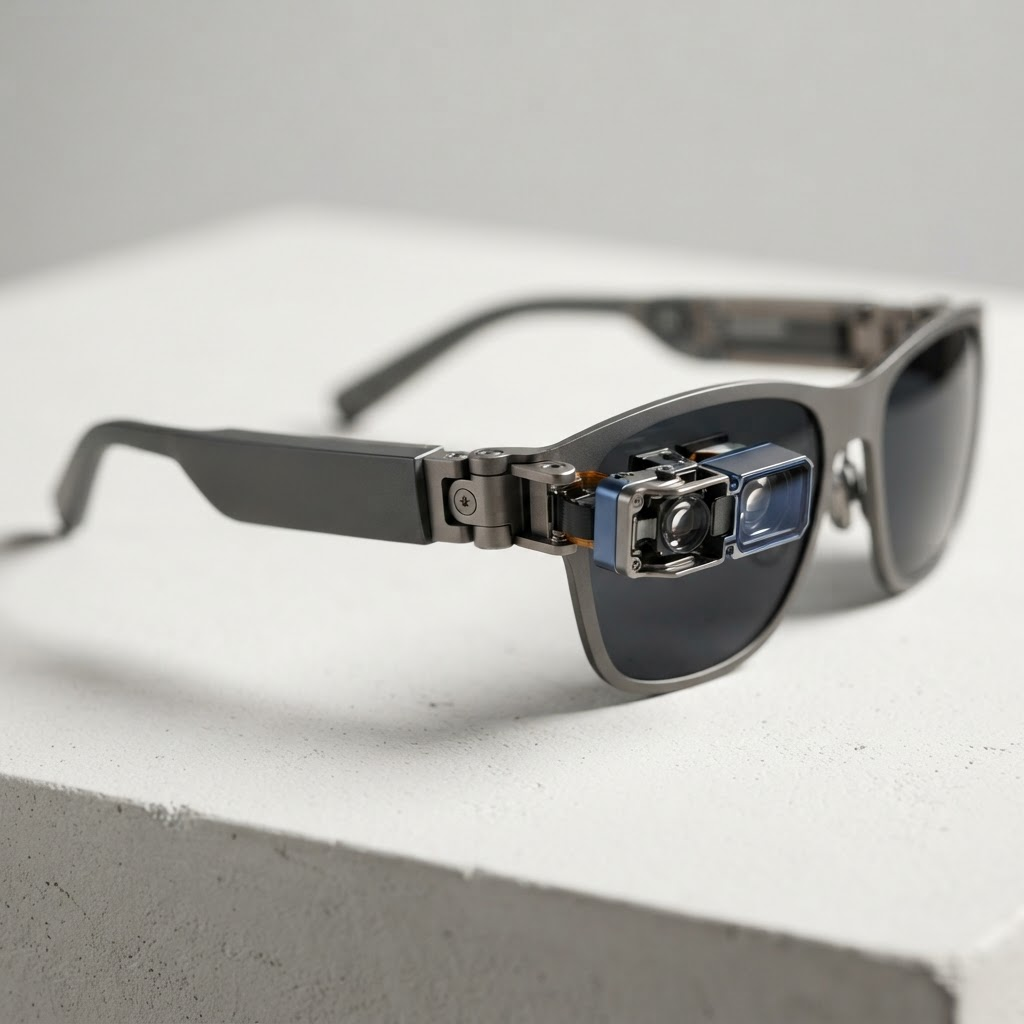
Which problems actually suit a custom build
Not everything should be custom. The ones worth building share a shape: repetitive, valuable, and tied to how your business specifically works.
- A task your people repeat constantly that no product quite fits
- Knowledge or judgement that lives in a few heads and walks out at retirement
- A process that touches several systems that don't talk to each other
- Something where a small accuracy gain is worth real money
- A workflow so specific to you that buying a tool was never an option
What we can actually work with
Custom doesn't mean starting from nothing. It usually means connecting things you already have in ways you haven't been able to.
What people see & say
Live capture from the field or the floor, through glasses, phone or camera.
The data you already hold
Records, documents and history sitting in systems you already run.
Your own know-how
Manuals, procedures and the expertise of the people who do the work.
The systems in between
ERP, CRM, ticketing — the tools the work has to flow through.
How a custom project actually runs
We keep the risk small and the feedback fast. You see something real early, and the pilot is scoped so it can't quietly balloon.
- 01
Prototype
We build a rough working version against your real process — not slides, something you can react to.
- 02
Scoped pilot
A tight pilot: one team, one process, a fixed boundary so it stays honest and measurable.
- 03
Measure
Agreed up front — time saved, errors cut, throughput. We hold the result against those numbers.
- 04
Scale
Only once it's proven do we roll it wider, into more teams and more of your systems.
What we integrate with
If your team depends on it, we can almost certainly connect to it. The point is a system that belongs to you — not another licence you rent.
How we keep it low-risk
The whole model is designed so you can find out if it works before committing to it.
- A working prototype before you sign up to anything big
- A pilot boxed to one team and one process, with a clear end date
- Success defined in your numbers, agreed before we start
- Scaling only after the pilot has earned it
Tell us the problem nobody's built a tool for.
Bring us the process that's specific, repetitive and expensive. In a short demo we'll tell you honestly whether it's a fit — and if it is, what a first prototype would look like.
The meeting ends. The work is already written down.
The work gets done with both hands. The paperwork writes itself.
Every check accounted for. Every finding backed by proof.
Catch what the customer actually asked for — before it slips your mind.
The answer your best person would give — available to everyone else too.
The dull handoffs between systems, quietly taken off your plate.